

General Storage Tips
Whether you’re moving, decluttering, downsizing, renovating, or storing business inventory, using the right storage techniques can help protect your belongings and maximize your storage space. At SmartGuard Storage, we help customers safely store furniture, electronics, seasonal items, household goods, and more.
Choose the Right Storage Unit
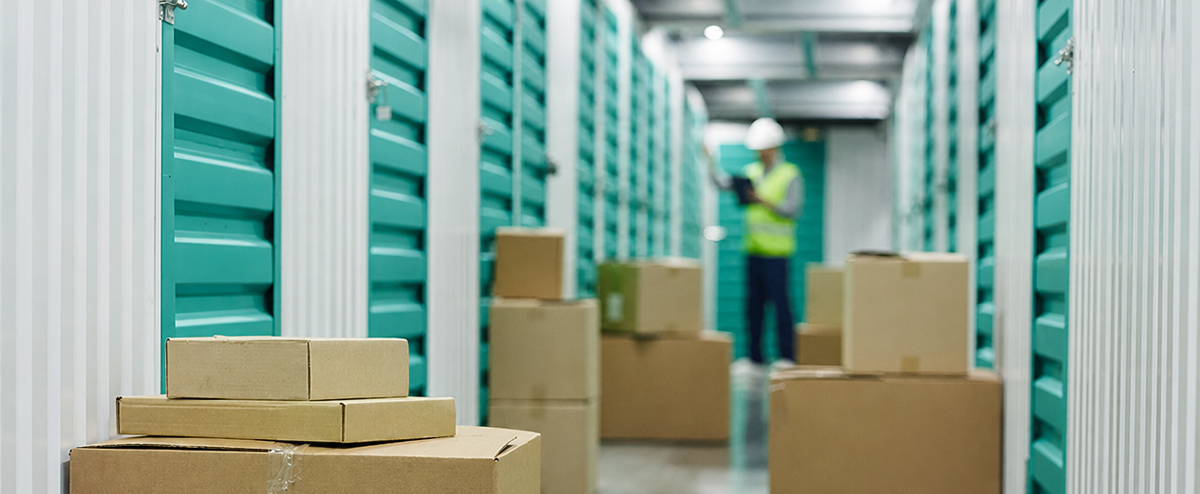
Choosing the right storage unit size is one of the most important steps when planning for self-storage. A unit that is too small can make organization difficult, while a unit that is too large may leave wasted space. Here are some tips for choosing the right storage unit:
- Make a list of everything you plan to store
- Choose a unit with room for walkways and access
- Leave extra space for future storage needs
- Ensure climate-controlled storage for sensitive items
- Ask storage staff for unit size recommendations
Use Quality Packing Supplies
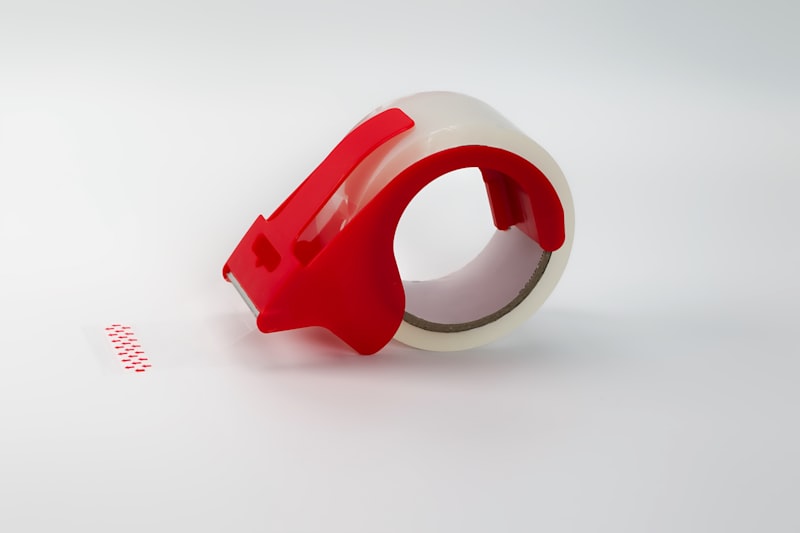
Using proper packing supplies is one of the best ways to protect belongings while moving and storing items. Weak boxes and low-quality materials can lead to crushed boxes, broken items, and unnecessary damage. High-quality packing supplies help keep your belongings protected, clean, and secure throughout the storage process. Here are some best practices:
- Use sturdy moving boxes in multiple sizes
- Seal boxes with heavy-duty packing tape
- Wrap fragile items with bubble wrap or packing paper
- Use plastic bins for moisture-sensitive belongings
- Protect furniture and mattresses with storage covers
- Avoid reusing damaged or weak boxes
Label & Organize Your Storage Unit
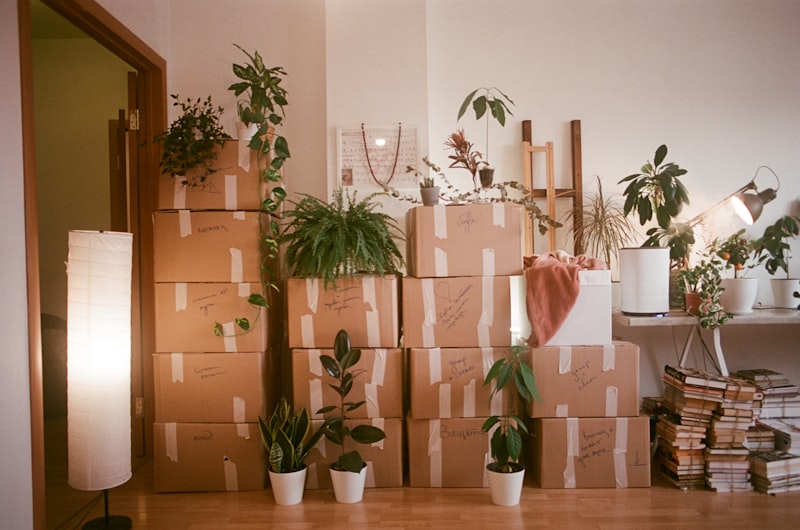
A well-organized storage unit makes it easier to locate items quickly and maximize available space.
Proper organization is especially important for long-term storage. Here are some tips for organizing and labeling your belongings:
- Label every box clearly on multiple sides
- Group similar items together
- Create a storage inventory list
- Store frequently used items near the front
- Use shelving to improve organization
- Leave a center walkway for easy access
Pack Boxes the Right Way
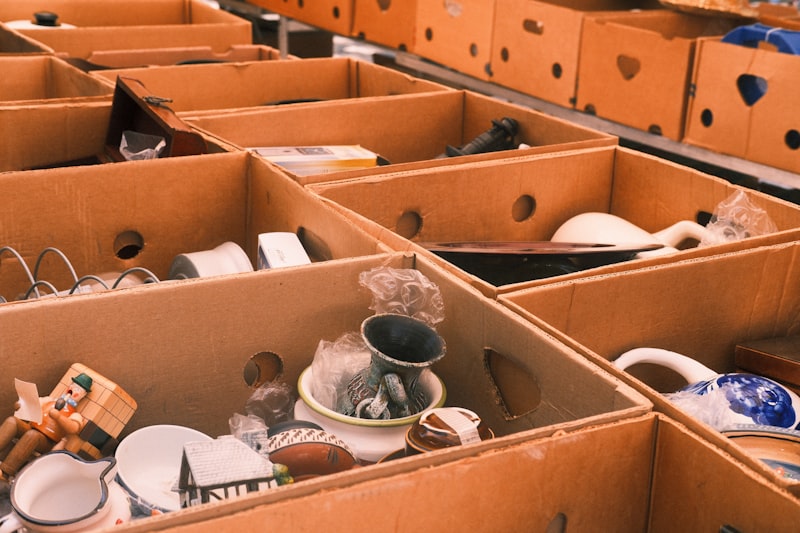
Improperly packed boxes are one of the most common causes of storage damage. Packing carefully helps prevent shifting, collapsing, and broken items. Here are some best practices:
- Place heavier items in smaller boxes
- Use larger boxes for lightweight belongings
- Fill empty spaces with packing material
- Avoid overpacking boxes
- Stack heavier boxes on the bottom
- Keep fragile boxes separated from heavy items
Maximize Storage Unit Space
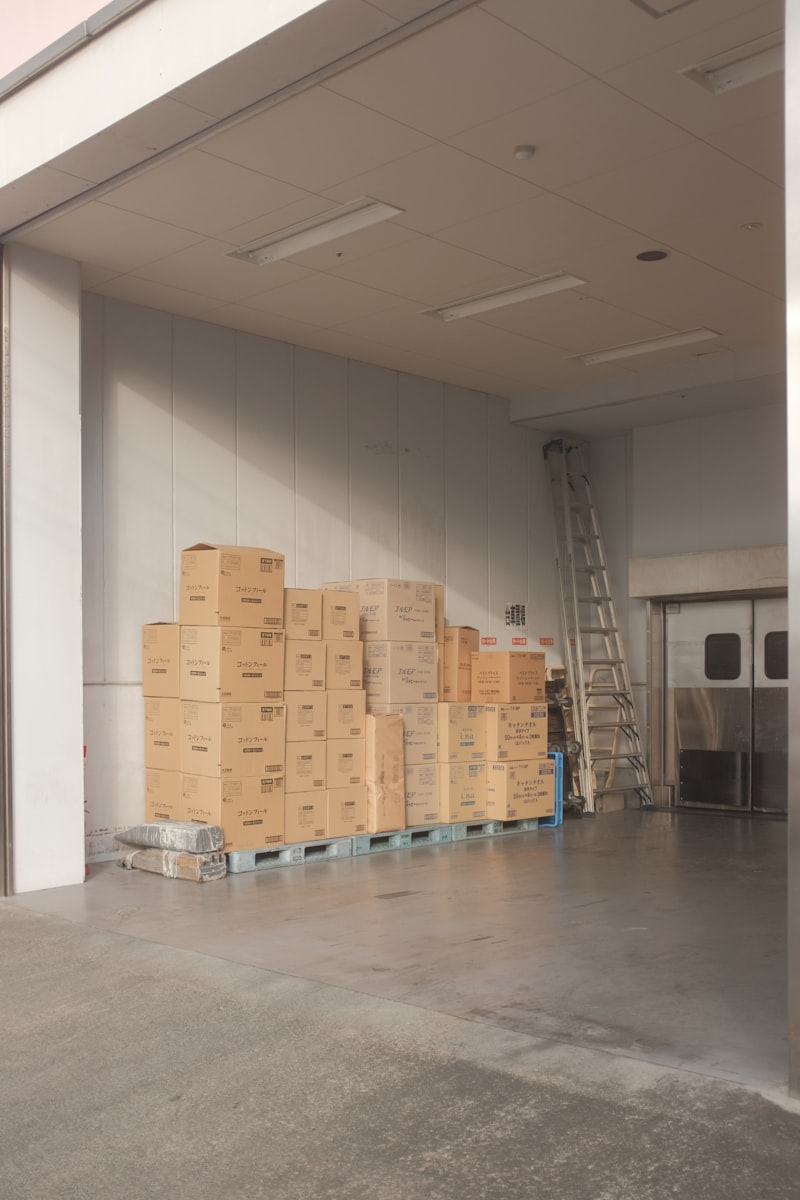
Using your storage unit efficiently can help you fit more belongings while still keeping the space organized and accessible, making it easier to retrieve items without unpacking the entire unit. Here are some tips for maximizing storage unit space:
- Stack boxes vertically when safe
- Store large items along the walls
- Use shelving to increase storage capacity
- Take apart furniture to save space
- Keep pathways open for access
- Place frequently needed items near the front
Prevent Moisture & Mold
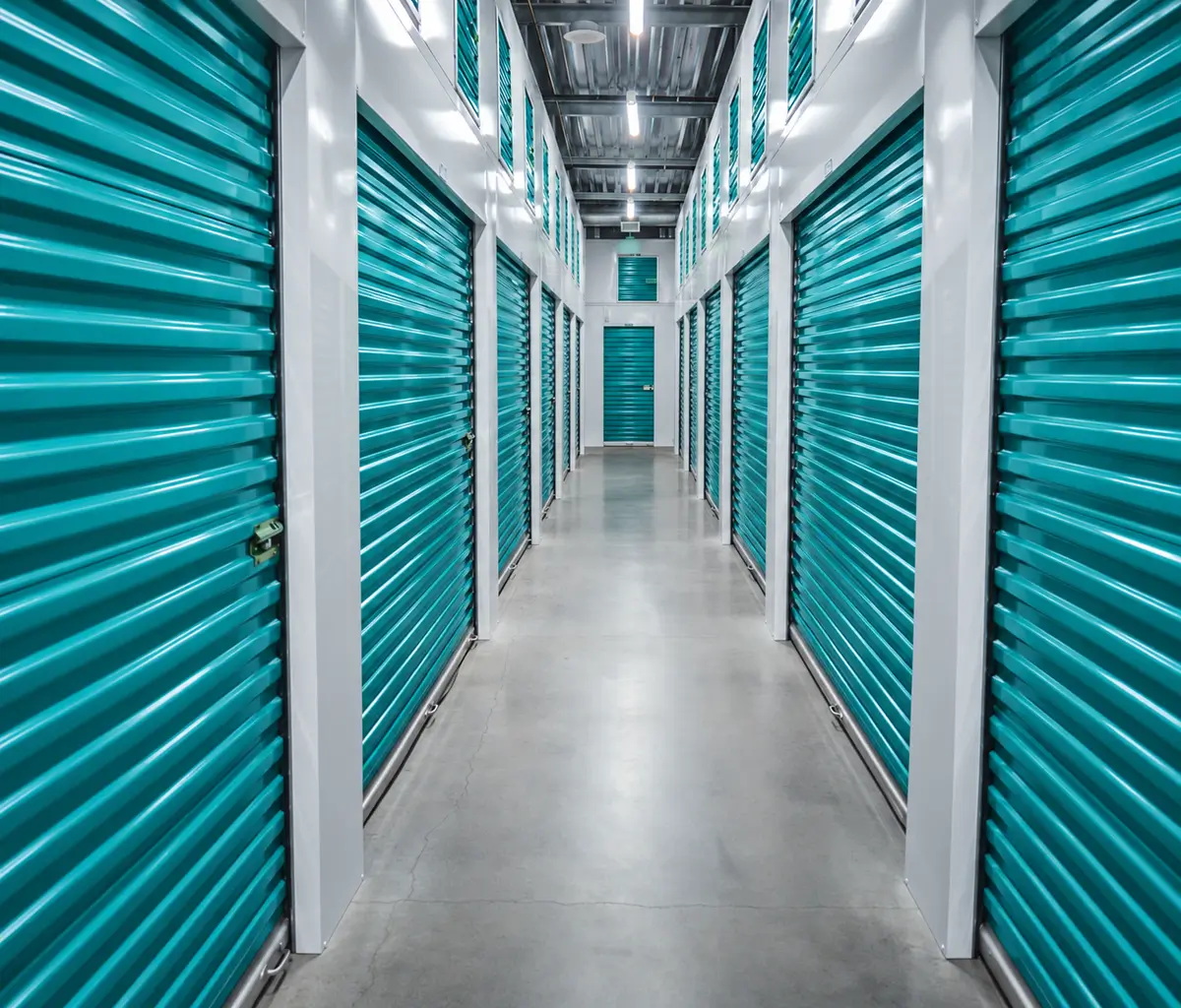
Moisture is one of the biggest threats to stored belongings. Excess humidity can lead to mold, mildew, rust, odors, and permanent damage. Reducing moisture helps protect furniture, clothing, electronics, and personal belongings from long-term damage. Here are some best practices:
- Never store wet or damp items
- Use moisture absorbers inside the unit
- Allow airflow between boxes and walls
- Avoid sealing items in plastic bags long term
- Clean belongings before storage
- Use climate-controlled storage if possible
Prevent Pests in Storage
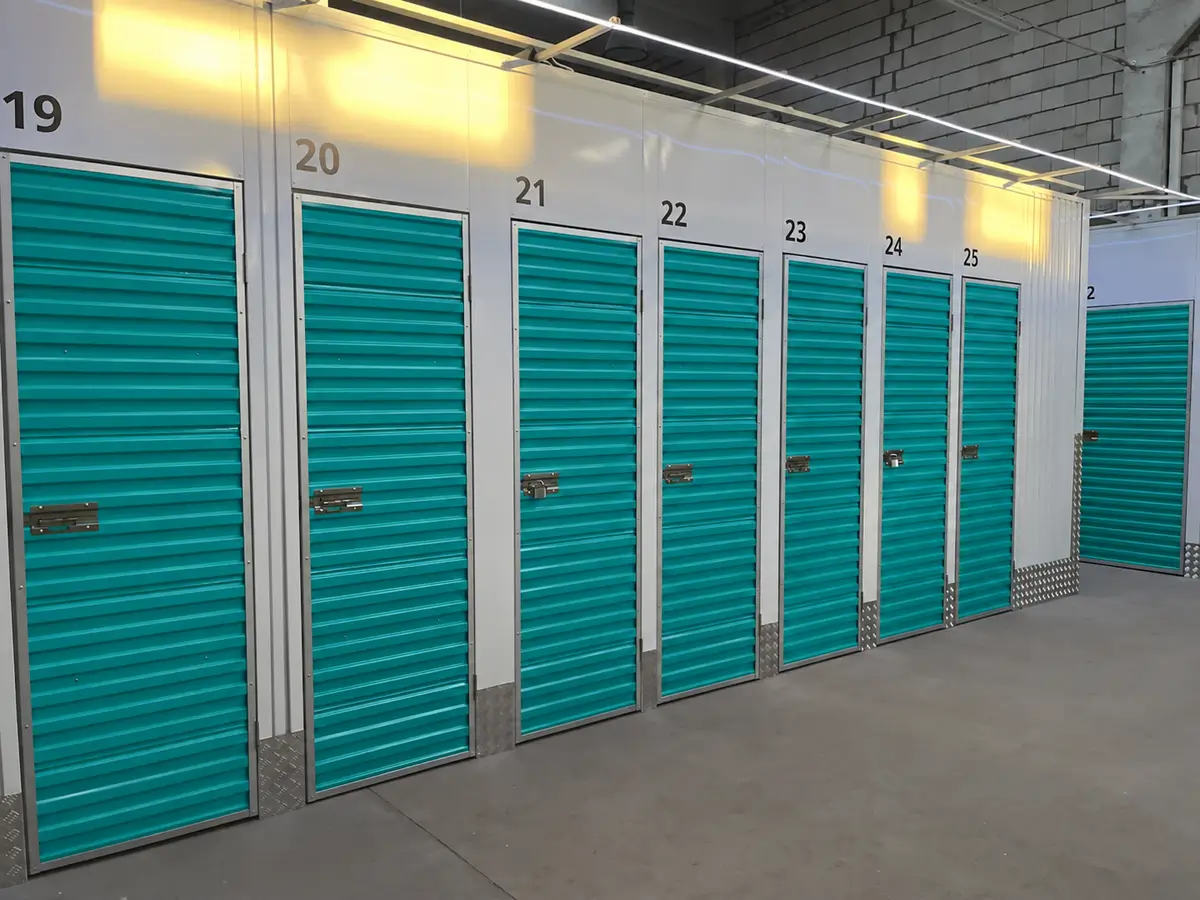
Pests can damage furniture, fabrics, paper goods, and stored boxes if proper precautions are not taken. Pest prevention helps protect belongings from contamination, odors, and structural damage. Here are some best practices:
- Avoid storing food or perishable items
- Use sealed plastic containers when possible
- Keep the storage unit clean and organized
- Remove crumbs and debris from furniture
- Inspect boxes before moving items into storage
- Avoid cardboard for long-term fabric storage
Know What Not to Store

Certain items should never be placed inside a storage unit due to safety, legal, and environmental concerns. Following storage rules helps maintain a safe environment for customers, employees, and stored belongings. Avoid storing:
- Flammable liquids
- Propane tanks
- Fireworks or explosives
- Hazardous chemicals
- Perishable food
- Live plants or animals
- Illegal items
Choose the Right Storage Unit
Choosing the right storage unit size is one of the most important steps when planning for self-storage. A unit that is too small can make organization difficult, while a unit that is too large may leave wasted space. Here are some tips for choosing the right storage unit:
- Make a list of everything you plan to store
- Choose a unit with room for walkways and access
- Leave extra space for future storage needs
- Ensure climate-controlled storage for sensitive items
- Ask storage staff for unit size recommendations
Use Quality Packing Supplies
Using proper packing supplies is one of the best ways to protect belongings while moving and storing items. Weak boxes and low-quality materials can lead to crushed boxes, broken items, and unnecessary damage. High-quality packing supplies help keep your belongings protected, clean, and secure throughout the storage process. Here are some best practices:
- Use sturdy moving boxes in multiple sizes
- Seal boxes with heavy-duty packing tape
- Wrap fragile items with bubble wrap or packing paper
- Use plastic bins for moisture-sensitive belongings
- Protect furniture and mattresses with storage covers
- Avoid reusing damaged or weak boxes
Label & Organize Your Storage Unit
A well-organized storage unit makes it easier to locate items quickly and maximize available space.
Proper organization is especially important for long-term storage. Here are some tips for organizing and labeling your belongings:
- Label every box clearly on multiple sides
- Group similar items together
- Create a storage inventory list
- Store frequently used items near the front
- Use shelving to improve organization
- Leave a center walkway for easy access
Pack Boxes the Right Way
Improperly packed boxes are one of the most common causes of storage damage. Packing carefully helps prevent shifting, collapsing, and broken items. Here are some best practices:
- Place heavier items in smaller boxes
- Use larger boxes for lightweight belongings
- Fill empty spaces with packing material
- Avoid overpacking boxes
- Stack heavier boxes on the bottom
- Keep fragile boxes separated from heavy items
Maximize Storage Unit Space
Using your storage unit efficiently can help you fit more belongings while still keeping the space organized and accessible, making it easier to retrieve items without unpacking the entire unit. Here are some tips for maximizing storage unit space:
- Stack boxes vertically when safe
- Store large items along the walls
- Use shelving to increase storage capacity
- Take apart furniture to save space
- Keep pathways open for access
- Place frequently needed items near the front
Prevent Moisture & Mold
Moisture is one of the biggest threats to stored belongings. Excess humidity can lead to mold, mildew, rust, odors, and permanent damage. Reducing moisture helps protect furniture, clothing, electronics, and personal belongings from long-term damage. Here are some best practices:
- Never store wet or damp items
- Use moisture absorbers inside the unit
- Allow airflow between boxes and walls
- Avoid sealing items in plastic bags long term
- Clean belongings before storage
- Use climate-controlled storage if possible
Prevent Pests in Storage
Pests can damage furniture, fabrics, paper goods, and stored boxes if proper precautions are not taken. Pest prevention helps protect belongings from contamination, odors, and structural damage. Here are some best practices:
- Avoid storing food or perishable items
- Use sealed plastic containers when possible
- Keep the storage unit clean and organized
- Remove crumbs and debris from furniture
- Inspect boxes before moving items into storage
- Avoid cardboard for long-term fabric storage
Know What Not to Store
Certain items should never be placed inside a storage unit due to safety, legal, and environmental concerns. Following storage rules helps maintain a safe environment for customers, employees, and stored belongings. Avoid storing:
- Flammable liquids
- Propane tanks
- Fireworks or explosives
- Hazardous chemicals
- Perishable food
- Live plants or animals
- Illegal items
Storage Tips by Category
This complete self-storage guide covers practical packing tips, organization strategies, and long-term storage advice to help keep your belongings secure, clean, and easy to access.
Furniture often requires additional preparation before being placed into storage. Dust, moisture, and improper stacking can damage wood, fabric, and upholstery over time. Preparing furniture properly helps prevent scratches, mildew, moisture damage, and unnecessary wear during storage.
- Clean furniture thoroughly before storage
- Disassemble large furniture when possible
- Store mattresses flat with protective covers
- Use breathable furniture covers instead of plastic wrap
- Keep furniture elevated off concrete floors
- Avoid stacking heavy items on upholstered furniture
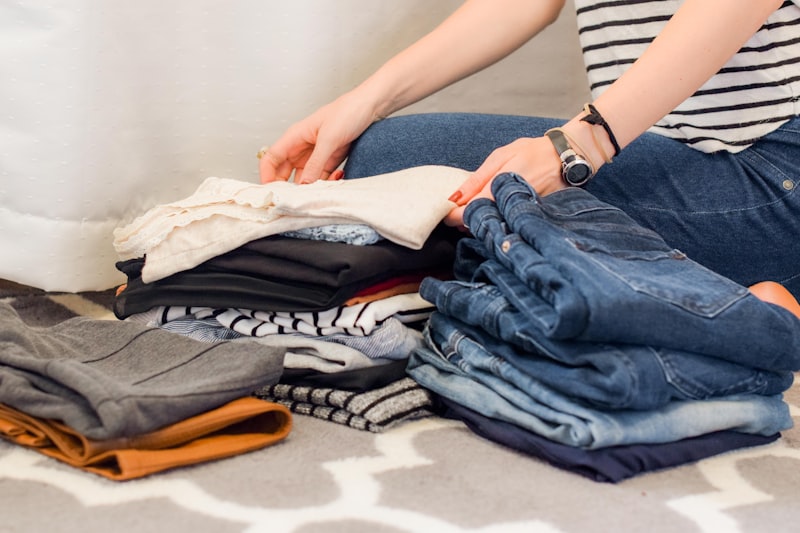
Clothing and fabric items can be damaged by moisture, dust, and pests if they are not stored correctly. Proper clothing storage helps prevent mildew, odors, discoloration, and fabric damage during long-term storage.
- Wash and dry clothing before storage
- Use breathable containers or garment bags
- Avoid storing damp fabrics
- Fold heavy clothing instead of hanging it long term
- Use cedar blocks or moisture absorbers when needed
- Keep clothing away from direct concrete contact
Electronics are sensitive to dust, humidity, and temperature changes. Proper preparation helps protect devices and correct electronic storage helps reduce the risk of corrosion, moisture damage, and broken components.
- Remove batteries before storage
- Wrap cords separately and label them
- Use original packaging when available
- Protect screens with soft padding
- Store electronics in a dry environment
- Avoid extreme temperatures whenever possible

Appliances must be cleaned and prepared carefully before entering storage. Even small amounts of moisture can lead to mold and odors over time. Preparing appliances correctly helps prevent mildew, odors, rust, and internal damage during storage.
- Clean and dry appliances thoroughly
- Drain water from washers and refrigerators
- Leave refrigerator and freezer doors slightly open
- Secure loose cords and accessories
- Cover appliances with breathable covers
- Store appliances upright whenever possible
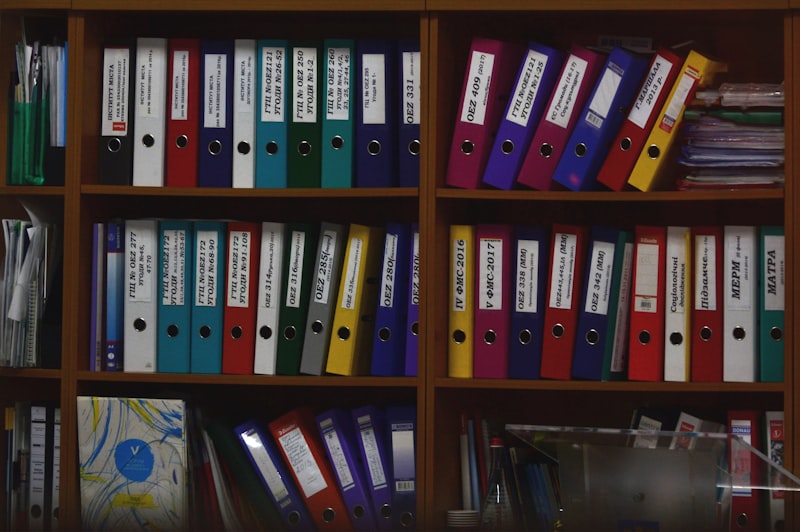
Paper documents and photographs can become damaged by humidity, heat, and sunlight if not stored properly. Protecting important records and photographs helps prevent fading, moisture damage, and deterioration over time.
- Store documents in waterproof containers
- Use acid-free folders for photos and important papers
- Keep items elevated off the floor
- Avoid direct sunlight exposure
- Consider climate-controlled storage for sensitive materials
- Organize documents using labeled folders
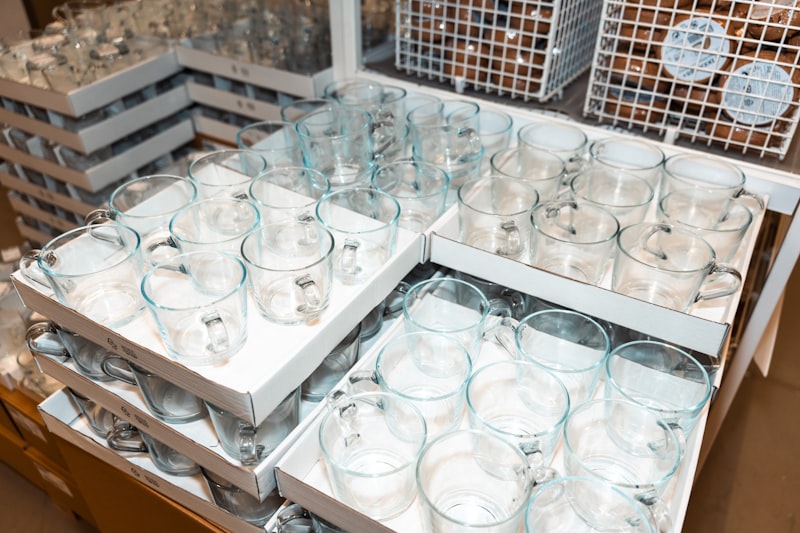
Fragile belongings require additional protection during packing and storage to reduce the risk of cracks and breakage. Careful packing techniques help protect valuables and reduce the chance of damage during transportation and storage.
- Wrap fragile items individually
- Use extra padding around delicate belongings
- Clearly label boxes as FRAGILE
- Store mirrors and artwork upright
- Avoid stacking heavy items on fragile boxes
- Use dish dividers and specialty boxes when needed
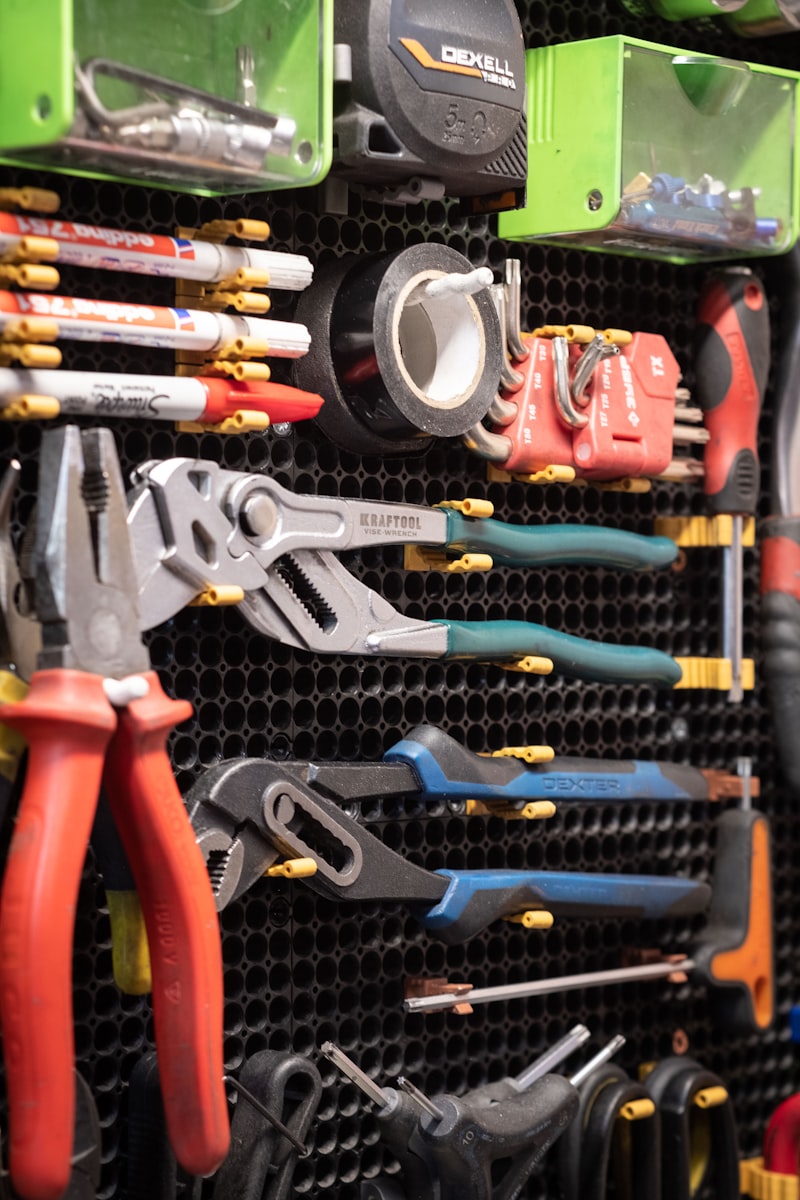
Tools, lawn equipment, and workshop supplies should be stored properly to help prevent rust, moisture damage, and unnecessary wear over time. Organizing tools carefully also makes it easier to access equipment when needed and helps maximize storage unit space.
- Clean tools and equipment before storage
- Remove dirt, grass, and moisture from lawn equipment
- Apply lubricant to metal tools to help prevent rust
- Drain fuel from gas-powered equipment when necessary
- Store small tools in labeled containers or toolboxes
- Keep heavier equipment toward the back or along walls
- Secure sharp tools safely to prevent damage or injury
- Use shelving to improve organization and accessibility
Holiday decorations can become tangled, crushed, dusty, or damaged if they are not packed and stored correctly. Proper organization and protective storage techniques help keep seasonal decorations clean, organized, and ready for future use.
- Store holiday decorations in clearly labeled containers
- Use plastic bins instead of weak cardboard boxes when possible
- Wrap fragile ornaments individually with protective padding
- Store string lights neatly to prevent tangling
- Keep artificial trees in protective storage bags or boxes
- Avoid stacking heavy items on delicate decorations
- Store candles in climate-controlled storage to help prevent melting
- Place frequently used seasonal items near the front of the unit

Self-storage can help businesses free up space and organize inventory, records, tools, and equipment more efficiently. It also provides a flexible solution for managing seasonal inventory, excess supplies, and operational growth without the cost of expanding office or warehouse space.
- Label inventory clearly
- Use shelving systems for organization
- Store documents in secure containers
- Keep high-demand inventory accessible
- Separate inventory by category
- Maintain an updated inventory list
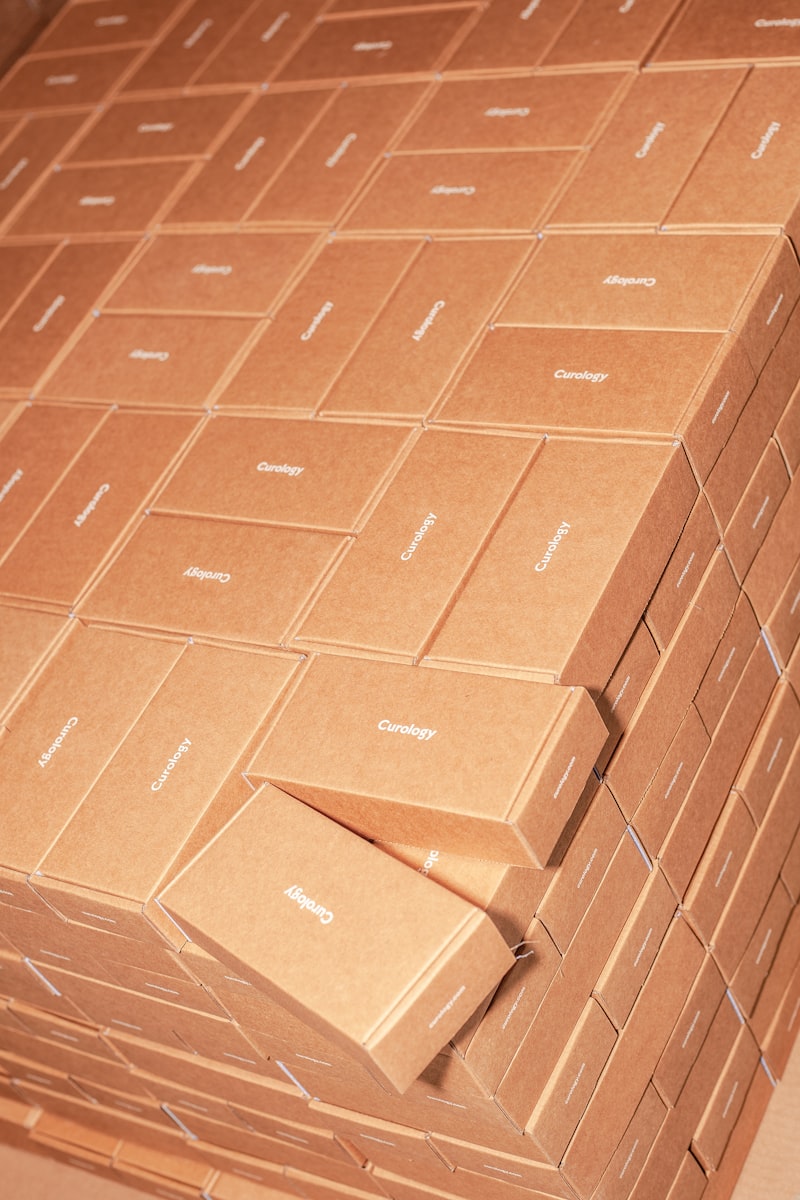
Long-term storage requires additional preparation to help keep belongings protected over extended periods of time. Proper long-term storage preparation helps reduce moisture buildup, dust accumulation, and damage over time.
- Visit your storage unit periodically
- Use breathable protective covers
- Avoid overcrowding the unit
- Elevate items off the floor when possible
- Use climate-controlled storage for sensitive belongings
- Rotate stored items occasionally
Storage Tips: Frequently Asked Questions
What is the best way to organize a storage unit?
Use labeled boxes, create sections for categories, leave walkways for access, and keep frequently used items near the front.
How do I prevent mold and moisture in storage?
Use moisture absorbers, avoid storing damp items, and allow airflow throughout the unit.
Is climate-controlled storage worth it?
Climate-controlled storage is recommended for electronics, documents, wood furniture, antiques, and other temperature-sensitive belongings. In general, climate-controlled storage prevents damage better than units that are not climate-controlled.
How can I maximize space in a storage unit?
Disassemble large furniture, use vertical stacking, choose uniform box sizes, and avoid leaving unused gaps between items.
What items are not allowed in storage units?
Hazardous materials, flammable items, perishable food, explosives, and illegal items are typically prohibited.
How often should I check my storage unit?
It’s a good idea to check your storage unit every few months, especially for long-term storage. Periodic visits allow you to inspect for moisture, reorganize belongings, confirm items remain protected, and ensure frequently used items are still easy to access.
Store with Confidence at SmartGuard Storage
At SmartGuard Storage, we provide clean, secure, convenient, climate-controlled self-storage solutions designed to make storing your belongings simple and stress-free. Whether you need temporary storage during a move or long-term storage for valuable items, our team is here to help you find the right storage solution for your needs.